
A Childhood of Correction
Black Water (Joyce Carol Oates Edition)This flow traces Kelly Kelleher’s childhood strabismus, her family’s anxiety about difference, and the adult meanings she attaches to normality.
increasing Bearing strength in each event
 decreasing
Bearing strength in each eventdecreasingThe Misaligned Eyes
A Difficult Beginning
Unstable vision
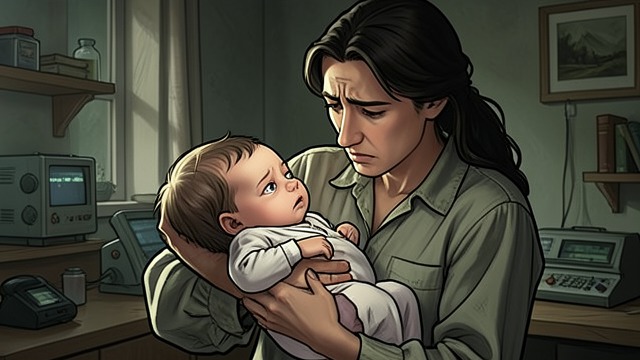
Kelly Kelleher is born with strabismus: the muscles controlling one eye are weaker, causing her images to overlap and her eye to wander.
Family alarm
Artie Kelleher and Madelyn Kelleher worry that their daughter’s condition will mark her as abnormal. Their concern mixes love with a strong family investment in physical normality.
Exercises or Surgery
A Family Disagreement
Competing advice
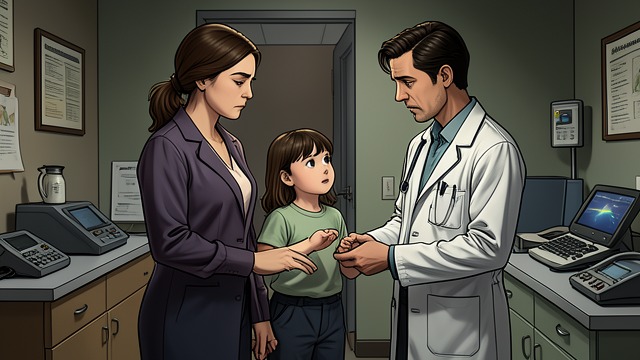
Doctors differ over exercises and an operation. Madelyn Kelleher and Kelly’s grandmother hope the exercises will work, while Artie Kelleher fears delay could leave the eye permanently impaired.
A parent’s impatience
Artie’s anxiety becomes forceful, especially when he imagines other children teasing Kelly. The argument reveals how care can become entangled with fear of social judgment.
The Hospital Operation
Corrective Surgery
A decisive choice
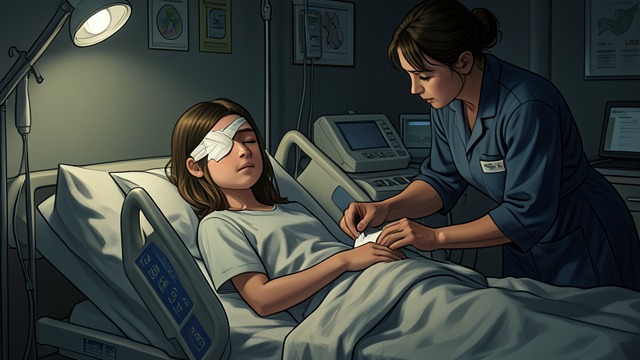
The Kellehers take their daughter to a hospital in the city, where surgeons correct the misaligned eye. Recovery is quick, though not painless as promised.
Visible normality
Afterward, Kelly appears outwardly normal. The operation resolves the immediate condition but leaves behind a family history in which bodily difference has carried disproportionate emotional weight.
The Adult Appearance

Eyes Under Inspection
A compliment received
The Senator calls Kelly’s eyes green and lovely, though she privately considers them more gray than green. His appraisal makes her conscious of being watched and assessed.
Beauty and insecurity
Her lashes, skin, and appearance remain sources of self-consciousness. The childhood operation is part of a larger struggle to measure herself against standards she did not choose.
The Body in the Wreck

Difference Without Appearance
Injury beyond judgment
In the submerged car, Kelly Kelleher’s crushed knee and impaired movement matter more than how her body looks. The former concern with normality gives way to the immediate need to breathe.
A changed measure
Her physical vulnerability is neither a cosmetic flaw nor a social embarrassment; it is a life-threatening fact. The ordeal strips beauty standards of their apparent importance without erasing her earlier insecurities.
Kelly’s first two years
When Kelly is a young child
Before Kelly begins school
On the Fourth of July, when Kelly is twenty-six
During the drowning at Indian Creek
